
Transformez vos selfies en photos de profil en or
Notre photographe IA transforme vos photos quotidiennes en clichés soignés et irrésistibles — en quelques minutes, pas des jours.
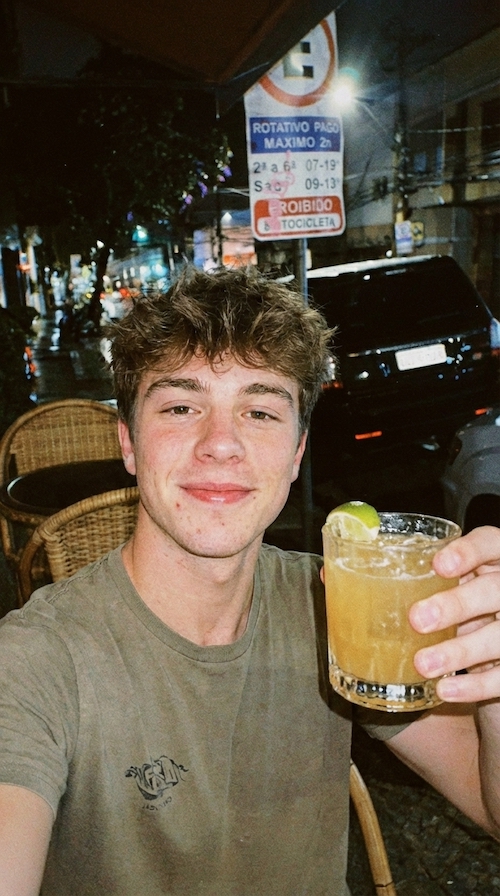
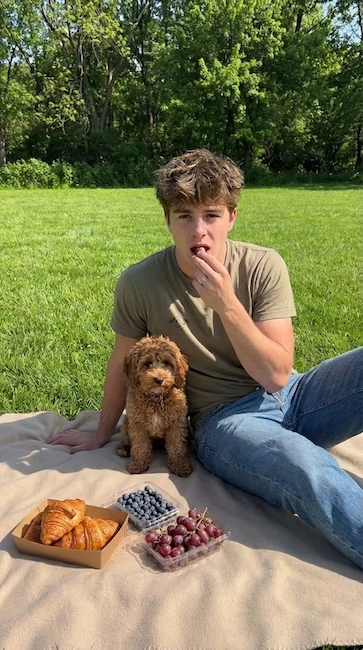
Comment prendre de bonnes photos de rencontre : guide pas à pas
La plupart des photos de profil de rencontre ratent pour des raisons ennuyeuses et faciles à corriger — pas à cause du visage. Mauvaise lumière, angles bizarres, arrière-plans encombrés, langage corporel fermé ou six selfies quasi identiques à la suite. La solution n'est presque jamais un nouveau visage. C'est une meilleure méthode.
Voici un guide pas à pas que tu peux dérouler en un seul samedi après-midi, et tu repartiras avec cinq à huit photos qui surpasseront ce qui est actuellement sur ton profil. Pas de studio, pas de photographe, pas de matériel cher — juste un téléphone, une lumière correcte et un plan.
Ta première photo est jugée en environ 0,1 seconde et détermine près de 80 % du fait que quelqu'un continue à parcourir ton profil. Les analyses des plateformes de photos pour sites de rencontre montrent systématiquement qu'échanger une photo principale faible contre une prise de vue bien éclairée et bien cadrée peut plus que doubler le taux de matches d'un profil — sans rien changer d'autre.
Étape 1 — Matériel : tu en as déjà assez
Tu n'as pas besoin d'un reflex. Les appareils photo de smartphone récents (tout ce qui date des trois ou quatre dernières années) donnent largement assez de détail pour une app de rencontre qui compresse tout de toute façon. Ce qui compte vraiment est petit, pas cher et tient dans un tiroir :
Étape 2 — Lumière : choisis-en une sur trois, ne te bats jamais contre elle
La lumière fait plus pour tes photos que n'importe quelle pose, tenue ou décor. C'est cette étape qui fait ou défait une séance amateur. Il n'y a vraiment que trois configurations de lumière qui valent ton temps — et toutes les trois sont gratuites.
Golden hour en extérieur : L'heure après le lever du soleil ou avant son coucher. Chaude, basse, douce — la lumière la plus universellement flatteuse qui soit. L'article de Wikipédia sur la photographie l'explique bien : le soleil est si bas que l'atmosphère fait office d'immense softbox, réchauffant les tons de peau et adoucissant les ombres.
Grande fenêtre, en intérieur : Place-toi à environ un mètre cinquante d'une grande fenêtre, tourne légèrement le visage vers la lumière (pas en plein dedans). Si le soleil tape directement, tends un drap blanc ou un rideau de douche — softbox instantanée.
Couvert en extérieur : Les nuages diffusent la lumière pour toi. Shoote en ombre ouverte ou sous une couche nuageuse légère. Le soleil de plein midi sans nuages est la seule situation à éviter — il creuse des ombres dans tes orbites et flingue la mâchoire.
Ce qu'il ne faut jamais faire : néons de plafond, une seule ampoule de salle de bain, flash du téléphone, ou fenêtre dans ton dos (tu deviens une silhouette). Le guide d'intérieur de Photofeeler vaut le détour si tu n'as que des options en intérieur — leur règle centrale est la même : visage vers la fenêtre, pas dos à elle.
Étape 3 — Lieu : choisis-en trois, pas un
Le moyen le plus rapide de rendre un profil monotone, c'est de faire toutes les photos au même endroit le même jour. La variété bat la perfection. Avant la séance, repère trois lieux courts que tu peux enchaîner en 90 minutes :
Étape 4 — Tenue : trois looks, pas trois t-shirts
L'objectif, c'est la variété utile, pas le changement pour le changement. Trois tenues qui signalent chacune une facette de ta vie battront six photos dans le même hoodie.
Étape 5 — Pose et expression (l'étape que tout le monde saute)
C'est ici que la plupart des séances en solo s'écroulent. Tu es seul, mal à l'aise, tu souris trop fort, l'appareil se déclenche et tu te retrouves avec la même grimace sur 40 photos. Remplace "essayer d'avoir l'air bien" par une petite routine.
Étape 6 — La séance : prends 20 fois plus de photos qu'il n'en faut
Une vraie séance dure environ 90 minutes et produit 200 à 400 prises sur trois lieux et trois tenues. Tu en garderas cinq à huit. Ce ratio est normal — les séances portrait pro sont dans le même ordre. N'essaie pas de "tout caler en trois photos".
Un plan simple :
Étape 7 — Sélectionner les bonnes
C'est là que la plupart des gens se plantent. 300 images shootées, pellicule ouverte, panique, trois photos choisies parce que les cheveux tombent bien. Utilise un processus :
Le raccourci (si tu ne peux vraiment pas shooter toi-même)
Si tu n'as honnêtement ni samedi libre, ni ami disponible, ni aisance devant l'objectif, c'est exactement le problème que Matchshot.app a été conçu pour résoudre. Téléverse une poignée de selfies classiques et le studio photo dédié aux rencontres produit un jeu complet de portraits prêts pour ton profil, avec tenues, éclairages et lieux variés — des images de qualité professionnelle qui te ressemblent, sans miroir de salle de bain, flash agressif ou bras de selfie tendu.
Dans un cas comme dans l'autre, la règle reste : tes photos font le plus gros du travail sur tout ton profil. Passe-les au cran supérieur une bonne fois — par une séance toi-même ou par un studio photo prêt à l'emploi — et matches, premiers messages et premiers rendez-vous deviennent nettement plus faciles.